Board stalls are a feature of the format, which means you'll often need some sort of board-breaker to push through
There are only 250 serialized versions of each guild-leader, which come stamped with a number
You can reach her at [email protected] or on X @katecperez_.
When it comes to Magic finance, being able to articulate the answer to this question should bring our discussion full circle
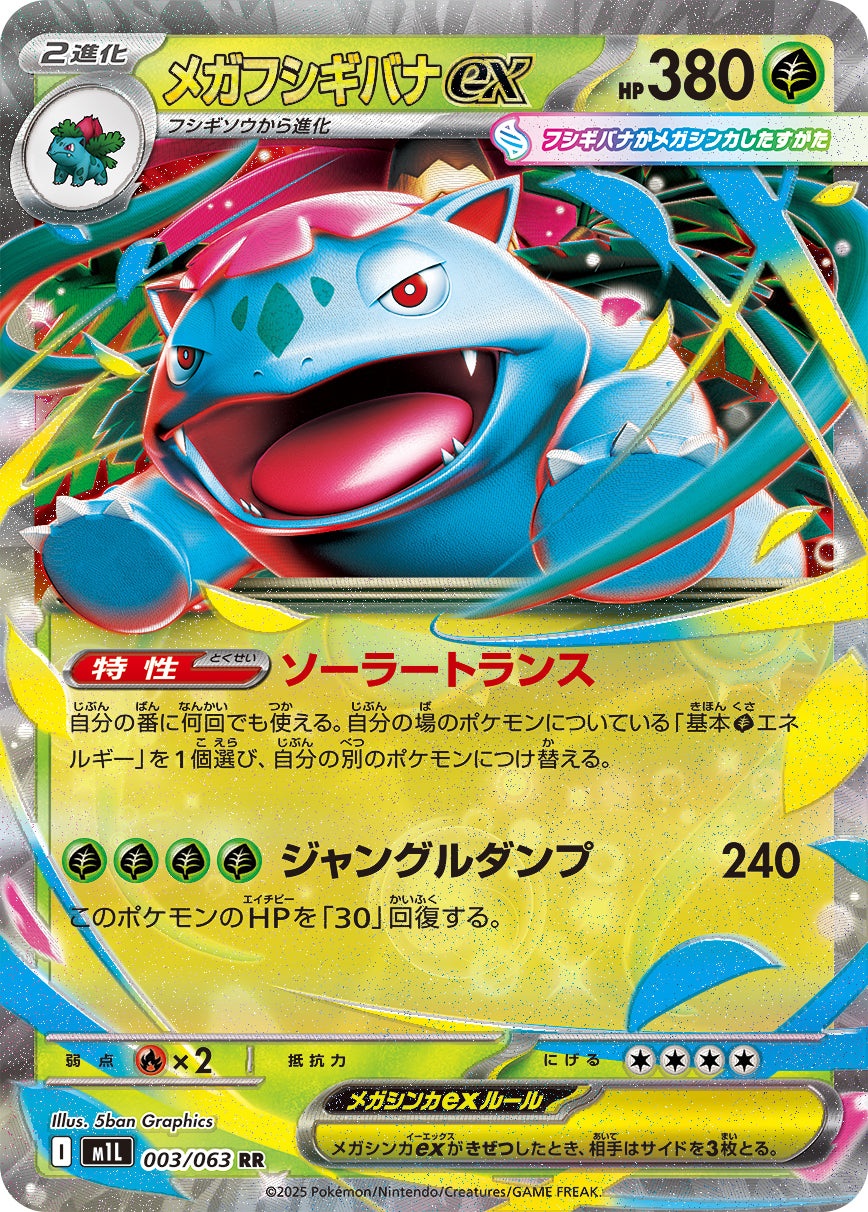
This works because: It drives engagement , buyers are more likely to bid when the starting price feels like a deal It creates competition , multiple $1 bids escalate quickly to market value (and sometimes beyond) It fills the room , low starting bids attract more viewers who might stay for other items It builds trust , buyers see youre confident enough in your inventory to let the market decide When the $1 start works best: You have 50+ concurrent viewers The card has broad appeal (popular Pokmon, high-grade, etc.) Your audience trusts your authenticity and grading When to use higher starting bids: You have fewer than 20 viewers (the math doesnt work with a small room) The card is niche (only a few collectors want it) The cards minimum acceptable price is $20+ and you cant afford to let it go for $5 Market Research Before Going Live Tools for pricing Pokmon cards: Pre-show pricing workflow: Pull your show inventory Check TCGPlayer market price for each card Cross-reference with eBay sold listings (last 30 days) Note the lowest price youd accept for each card Set starting bids accordingly (usually 10-30% of market for auctions) BIN (Buy It Now) Strategy BIN listings work well for: Graded cards where the price is well-established (PSA 10 Charizard = specific price) Sealed product at known market rates Commodity cards that always sell at a predictable price Price BIN items at 5-10% below TCGPlayer/eBay market , Whatnot buyers expect a slight discount for the platform